
When Flat Feet Lead to Bigger Problems: What a Podiatrist Looks For
- posted: Jun. 25, 2025
Flat feet might seem like a minor issue, after all, many people live with them without any noticeable problems. But for some, flat feet can lead to bigger challenges that affect not just the feet, but the entire body. Understanding when flat feet become a concern and knowing when to see a podiatrist can make all the difference in preventing long-term discomfort and complications.
What Are Flat Feet?
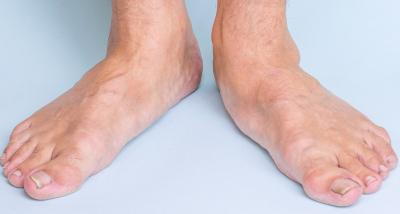
Flat feet, also known as fallen arches, occur when the arch of the foot is lower than normal or completely absent. While some people are born with flat feet, others develop the condition over time due to factors like aging, injury, or overuse. For many, flat feet don’t cause any issues. However, when the condition leads to pain or affects the way you walk, it’s time to take a closer look.
When Flat Feet Lead to Bigger Problems
Flat feet can cause a ripple effect throughout the body. Without proper arch support, the alignment of your feet, ankles, knees, hips, and even your lower back can be thrown off. This misalignment can lead to:
Foot Pain: Especially in the arch or heel, as the foot struggles to support your body weight.
Ankle and Knee Pain: Misalignment can put extra stress on these joints, leading to discomfort or even injury.
Plantar Fasciitis: Flat feet can strain the plantar fascia, the ligament that runs along the bottom of your foot, causing inflammation and pain.
Overpronation: This occurs when the foot rolls inward excessively while walking, which can lead to uneven wear on shoes and further joint stress.
If you’re experiencing any of these symptoms, it’s important to consult a podiatrist to address the issue before it worsens.
What a Podiatrist Looks For
When you visit a podiatrist for flat feet, they’ll start with a thorough evaluation. This includes examining your foot structure, watching how you walk, and asking about any pain or discomfort you’re experiencing. They may also use imaging tests, like X-rays, to get a clearer picture of what’s happening inside your feet.
Based on their findings, a podiatrist can recommend treatments tailored to your needs. These might include custom orthotics to provide arch support, physical therapy to strengthen the muscles in your feet and legs, or lifestyle adjustments to reduce strain on your feet. In severe cases, surgical options may be discussed.
Take the First Step Toward Relief
Flat feet don’t have to hold you back. If you’re experiencing pain or discomfort, or if you’re concerned about how flat feet might affect your overall health, it’s time to see a podiatrist. With the right care and support, you can prevent bigger problems and keep your feet feeling their best.
- posted: Jun. 25, 2025
Flat feet might seem like a minor issue, after all, many people live with them without any noticeable problems. But for some, flat feet can lead to bigger challenges that affect not just the feet, but the entire body. Understanding when flat feet become a concern and knowing when to see a podiatrist can make all the difference in preventing long-term discomfort and complications.
What Are Flat Feet?
Flat feet, also known as fallen arches, occur when the arch of the foot is lower than normal or completely absent. While some people are born with flat feet, others develop the condition over time due to factors like aging, injury, or overuse. For many, flat feet don’t cause any issues. However, when the condition leads to pain or affects the way you walk, it’s time to take a closer look.
When Flat Feet Lead to Bigger Problems
Flat feet can cause a ripple effect throughout the body. Without proper arch support, the alignment of your feet, ankles, knees, hips, and even your lower back can be thrown off. This misalignment can lead to:
Foot Pain: Especially in the arch or heel, as the foot struggles to support your body weight.
Ankle and Knee Pain: Misalignment can put extra stress on these joints, leading to discomfort or even injury.
Plantar Fasciitis: Flat feet can strain the plantar fascia, the ligament that runs along the bottom of your foot, causing inflammation and pain.
Overpronation: This occurs when the foot rolls inward excessively while walking, which can lead to uneven wear on shoes and further joint stress.
If you’re experiencing any of these symptoms, it’s important to consult a podiatrist to address the issue before it worsens.
What a Podiatrist Looks For
When you visit a podiatrist for flat feet, they’ll start with a thorough evaluation. This includes examining your foot structure, watching how you walk, and asking about any pain or discomfort you’re experiencing. They may also use imaging tests, like X-rays, to get a clearer picture of what’s happening inside your feet.
Based on their findings, a podiatrist can recommend treatments tailored to your needs. These might include custom orthotics to provide arch support, physical therapy to strengthen the muscles in your feet and legs, or lifestyle adjustments to reduce strain on your feet. In severe cases, surgical options may be discussed.
Take the First Step Toward Relief
Flat feet don’t have to hold you back. If you’re experiencing pain or discomfort, or if you’re concerned about how flat feet might affect your overall health, it’s time to see a podiatrist. With the right care and support, you can prevent bigger problems and keep your feet feeling their best.
Our Location
3802 Oakwood Mall Dr
Eau Claire, WI, United States